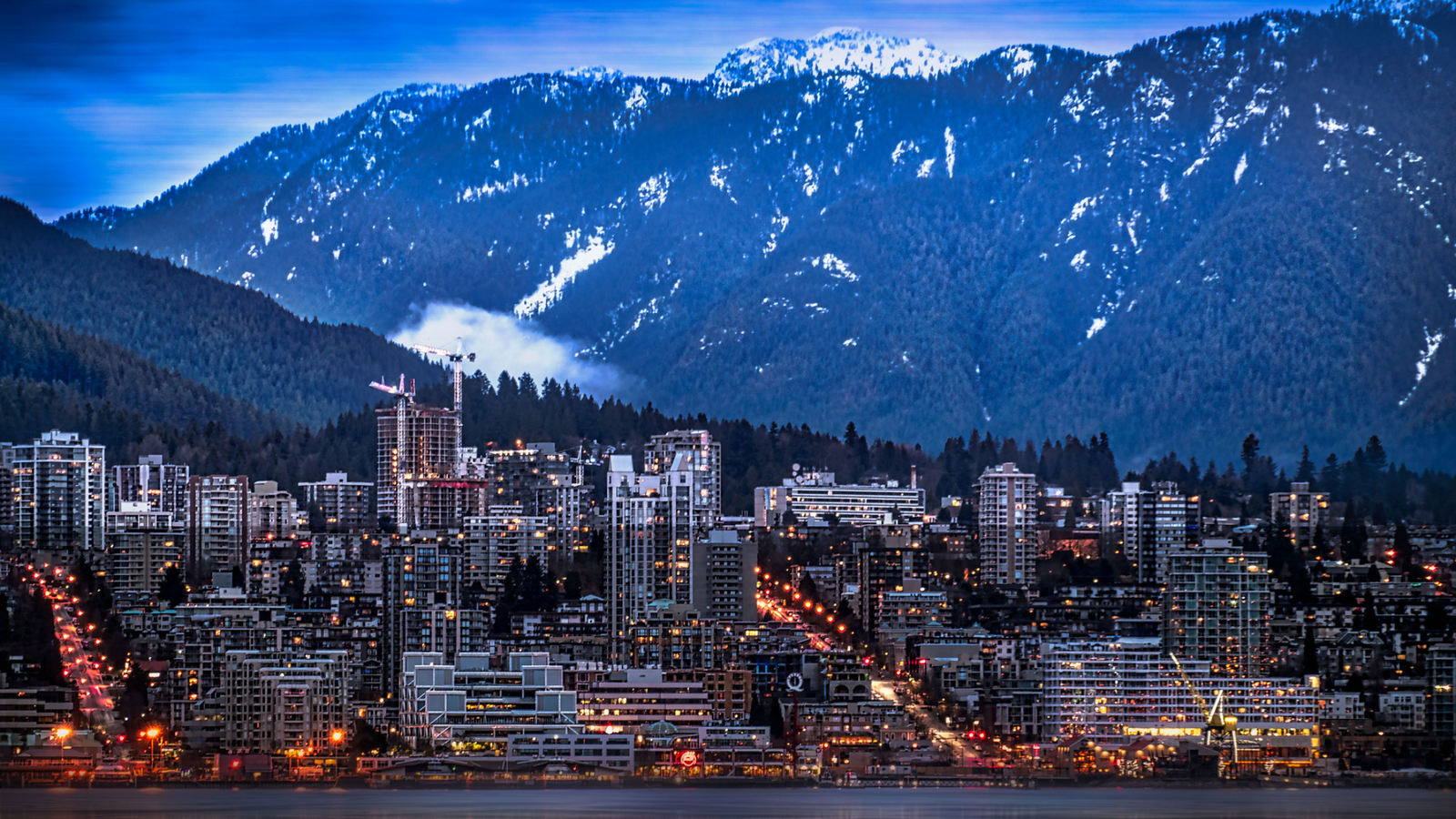
One of the most common questions buyers ask when searching for homes on the North Shore is: what is the difference between the City of North Vancouver and the District of North Vancouver? While they are both located on the North Shore and share the “North Vancouver” name, they are actually two separate municipalities with different lifestyles, neighbourhood characteristics, housing types, and real estate markets.
Understanding the differences between the City and District of North Vancouver can help buyers better identify which area aligns with their lifestyle, budget, commuting needs, and long term goals.
The City of North Vancouver is smaller geographically and more urban in feel. It is known for its walkability, higher density living, condo developments, restaurants, shops, and easy access to transit including the SeaBus to Downtown Vancouver. Popular neighbourhoods within the City include Lower Lonsdale, Central Lonsdale, Moodyville, and parts of Grand Boulevard.
The District of North Vancouver, on the other hand, is much larger geographically and generally offers a more residential and nature oriented lifestyle. The District surrounds the City and includes many of the North Shore’s most family oriented neighbourhoods such as Edgemont Village, Lynn Valley, Deep Cove, Upper Lonsdale, Canyon Heights, and Blueridge.
One of the biggest differences between the two municipalities is the type of housing available. The City of North Vancouver tends to offer more condos, apartments, and newer mixed use developments, making it especially popular among young professionals, downsizers, and investors. Buyers who prioritize walkability, urban convenience, and proximity to transit are often drawn to the City.
The District of North Vancouver typically offers more detached homes, larger lots, townhomes, and quieter residential streets. Families looking for additional space, access to nature, hiking trails, and highly regarded schools often gravitate toward the District.
Lifestyle is another major distinction. Living in the City of North Vancouver offers a more urban North Shore experience with restaurants, cafes, breweries, fitness studios, and waterfront living all within close reach. Lower Lonsdale in particular has become one of the most vibrant communities on the North Shore.
The District of North Vancouver offers a more relaxed and outdoor-focused lifestyle. Residents are often minutes away from hiking trails, ski mountains, parks, forests, and outdoor recreation. Areas such as Lynn Valley and Deep Cove are especially popular among buyers seeking strong community atmosphere combined with access to nature.
From a real estate perspective, both municipalities remain highly desirable and continue to see strong demand. However, pricing, inventory, and property types can vary significantly depending on neighbourhood, lot size, age of home, and proximity to amenities.
For buyers relocating to the North Shore, choosing between the City and District of North Vancouver often comes down to lifestyle preferences. Some buyers prefer the convenience and walkability of urban living, while others prioritize larger homes, outdoor space, and quieter residential communities.
Understanding the differences between the City and District of North Vancouver can help buyers better identify which area aligns with their lifestyle, budget, commuting needs, and long term goals.
The City of North Vancouver is smaller geographically and more urban in feel. It is known for its walkability, higher density living, condo developments, restaurants, shops, and easy access to transit including the SeaBus to Downtown Vancouver. Popular neighbourhoods within the City include Lower Lonsdale, Central Lonsdale, Moodyville, and parts of Grand Boulevard.
The District of North Vancouver, on the other hand, is much larger geographically and generally offers a more residential and nature oriented lifestyle. The District surrounds the City and includes many of the North Shore’s most family oriented neighbourhoods such as Edgemont Village, Lynn Valley, Deep Cove, Upper Lonsdale, Canyon Heights, and Blueridge.
One of the biggest differences between the two municipalities is the type of housing available. The City of North Vancouver tends to offer more condos, apartments, and newer mixed use developments, making it especially popular among young professionals, downsizers, and investors. Buyers who prioritize walkability, urban convenience, and proximity to transit are often drawn to the City.
The District of North Vancouver typically offers more detached homes, larger lots, townhomes, and quieter residential streets. Families looking for additional space, access to nature, hiking trails, and highly regarded schools often gravitate toward the District.
Lifestyle is another major distinction. Living in the City of North Vancouver offers a more urban North Shore experience with restaurants, cafes, breweries, fitness studios, and waterfront living all within close reach. Lower Lonsdale in particular has become one of the most vibrant communities on the North Shore.
The District of North Vancouver offers a more relaxed and outdoor-focused lifestyle. Residents are often minutes away from hiking trails, ski mountains, parks, forests, and outdoor recreation. Areas such as Lynn Valley and Deep Cove are especially popular among buyers seeking strong community atmosphere combined with access to nature.
Schools also play a role in where buyers choose to live. Many of the North Shore’s most sought after family neighbourhoods and school catchments are located within the District of North Vancouver. Families often prioritize areas such as Edgemont, Canyon Heights, and Lynn Valley because of their schools, parks, and community feel.
From a real estate perspective, both municipalities remain highly desirable and continue to see strong demand. However, pricing, inventory, and property types can vary significantly depending on neighbourhood, lot size, age of home, and proximity to amenities.
For buyers relocating to the North Shore, choosing between the City and District of North Vancouver often comes down to lifestyle preferences. Some buyers prefer the convenience and walkability of urban living, while others prioritize larger homes, outdoor space, and quieter residential communities.