The Vancouver real estate market continues to vary significantly by location and property type. Using January 2026 MLS® data, this update provides a clear breakdown of market conditions for North Vancouver detached and attached homes, West Vancouver detached and attached homes, and Downtown Vancouver condominiums.Understanding these local differences is essential for buyers and sellers making informed decisions in today’s market.
North Vancouver Real Estate Market
North Vancouver Detached Homes
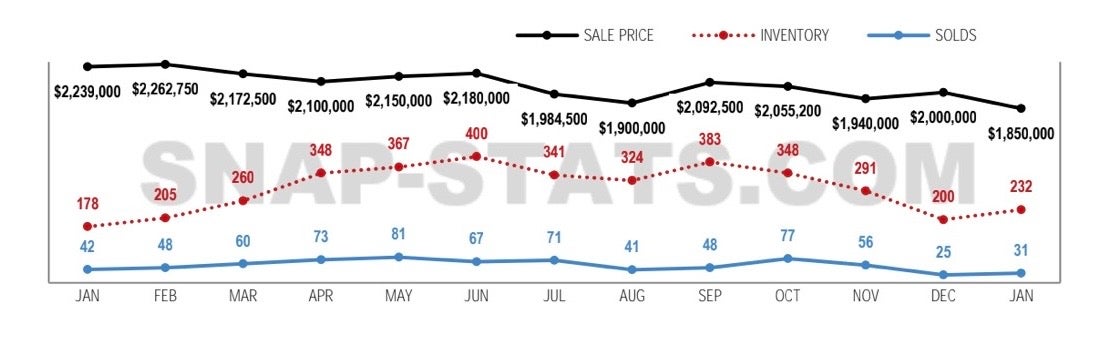
The detached home market in North Vancouver is currently balanced, with a sales ratio of 13% . This indicates steady buyer activity without the intense competition seen in previous years.Inventory rose to 232 homes, reflecting an increase in available options. 31 detached homes sold in January, and the average sale price settled around $1,850,000. Homes are selling close to asking price, with a sale-to-list ratio of approximately 97 %, and the average time on market is about 30 days.
The strongest demand is concentrated in the $1.5 million to $1.75 million price range, particularly for three to four bedroom homes. Neighbourhoods such as Deep Cove and Westlynn continue to show solid performance, while higher-priced homes offer more negotiating room for buyers.
North Vancouver Condos and Townhomes
North Vancouver’s attached market is also balanced, with a sales ratio of 14% . Inventory increased noticeably to 396 units, while 57 properties sold during the month.The average sale price for condos and townhomes is approximately $860,000, with homes typically selling within 26 days. Properties are trading very close to list price, indicating realistic pricing and consistent demand.
The most active segment remains the $400,000 to $500,000 range. Areas such as Lower Lonsdale, Central Lonsdale, and Lynn Valley continue to attract buyers, especially for two and three bedroom units.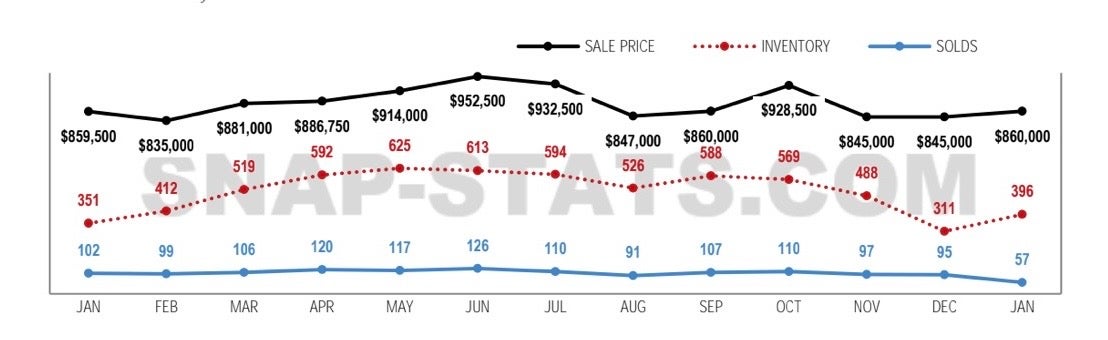
West Vancouver Real Estate Market
West Vancouver Detached Homes
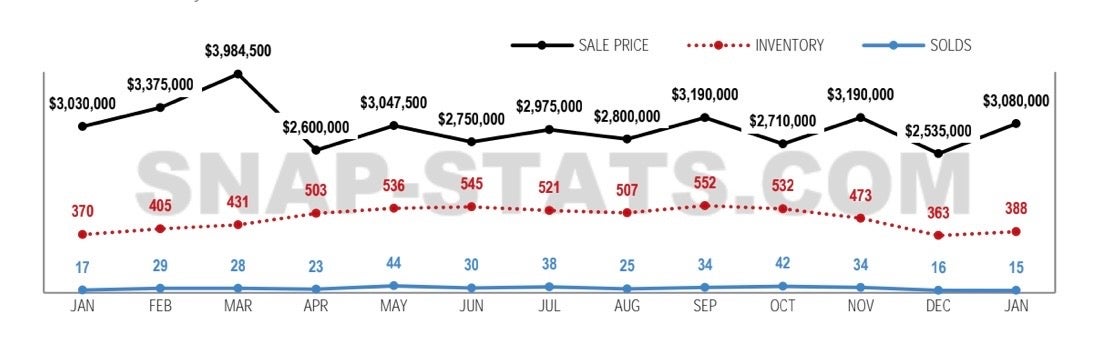
West Vancouver detached homes remain firmly in a buyer’s market, with a low sales ratio of 4%. Inventory levels remain elevated at 388 homes, while only 15 properties sold in January.The average sale price increased to approximately $3,080,000, though this reflects limited high end sales rather than broad price growth. Homes are selling well below list price, with an average sale-to-list ratio of 84%, and the average time on market has extended to 68 days.
Buyers have strong negotiating power, particularly in the luxury price ranges above $4.5 million. Sellers seeing the most success are those pricing strategically in neighbourhoods such as Caulfield and Cypress, especially with well presented three to six bedroom homes.
West Vancouver Condos and Townhomes
The attached market in West Vancouver is also a buyer’s market, with a sales ratio of 9%. Inventory increased to 120 units, and 11 properties sold during the month.The average sale price rose to approximately $1,550,000, reflecting limited but higher-priced transactions. Homes are spending more time on the market, with an average of 59 days, though pricing remains relatively close to list when properties are well positioned.
The most active price range is between $1.5 million and $1.75 million. Ambleside and Dundarave continue to see the strongest demand, particularly for smaller, well located units.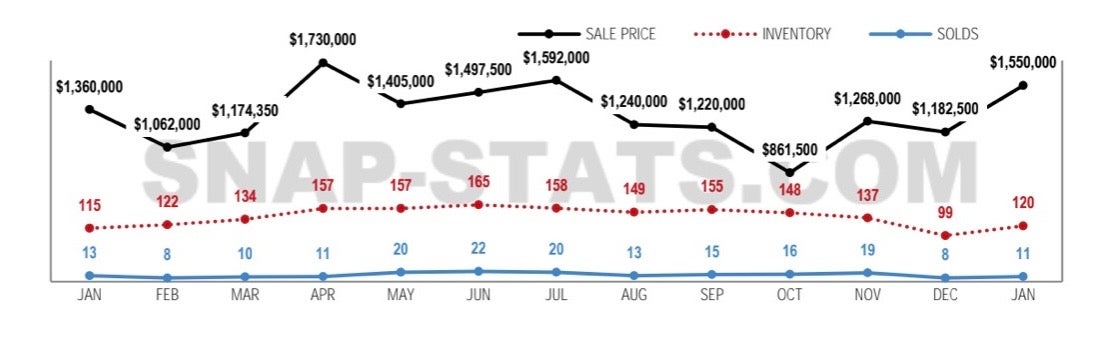
Downtown Vancouver Condo Market
Downtown Vancouver condominiums are currently in a buyer’s market, with a sales ratio of 9%. Inventory stands at 822 units, while 72 properties sold in January.The average sale price is approximately $733,750, and homes are selling at about 95% of list price. Average days on market increased to 39 days, reflecting more cautious buyer behaviour.
The most active segment remains the $600,000 to $800,000 range, particularly for one bedroom and smaller units. Coal Harbour, Yaletown, and the West End continue to attract interest, though pricing accuracy is critical for sellers.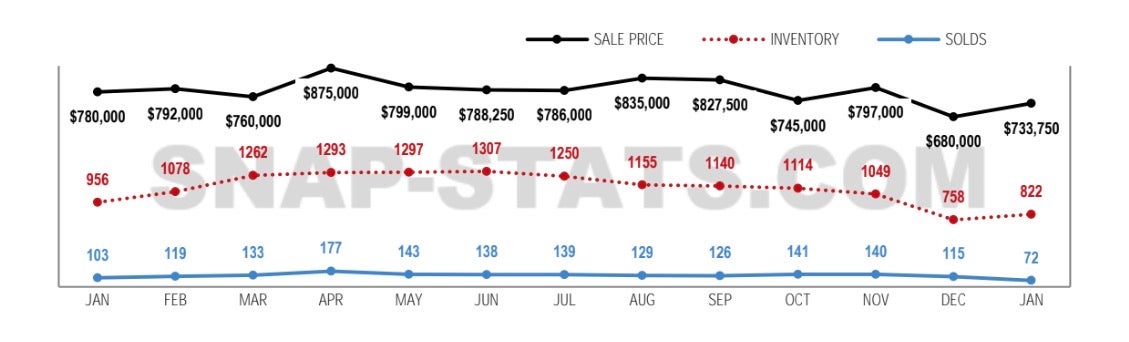
What This Market Means for Buyers and Sellers
Market conditions across Metro Vancouver continue to diverge by area and property type. Buyers benefit from increased inventory and negotiating opportunities in West Vancouver and Downtown Vancouver, while balanced conditions in North Vancouver reward well prepared buyers and sellers alike.There is no single Vancouver market. Success depends on understanding neighbourhood level trends, pricing strategy, and buyer demand within each segment.
If you are considering buying or selling in North Vancouver, West Vancouver, or Downtown Vancouver, a tailored approach based on current data can make a meaningful difference. For a personalized market analysis or home value assessment, feel free to get in touch.