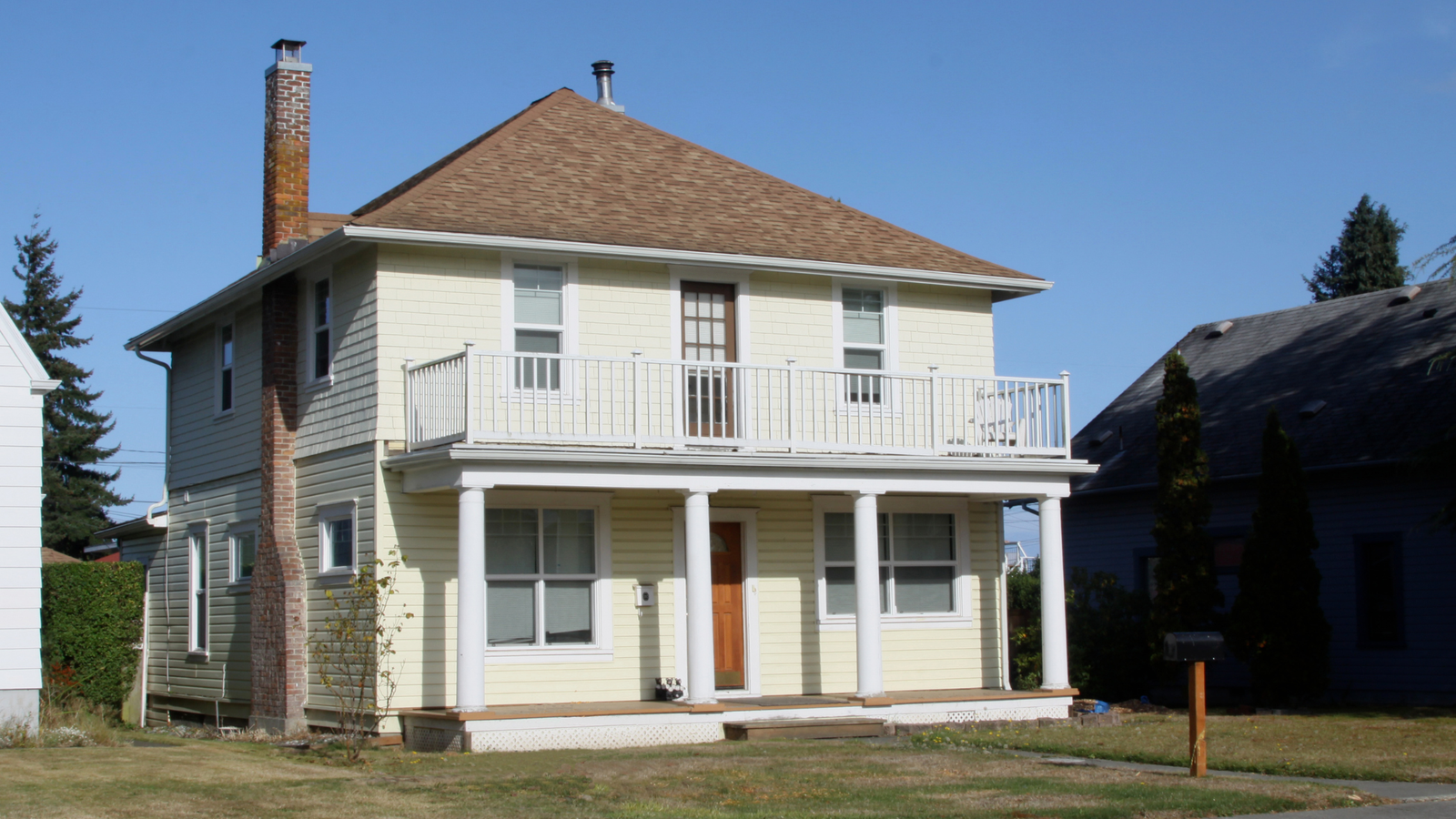
North Vancouver has many beautiful established neighbourhoods, but buying an older home can require a different level of due diligence than buying newer construction.Many properties in areas such as Lynn Valley, Blueridge, Canyon Heights, Edgemont, Upper Lonsdale and Deep Cove were built decades ago and may have undergone several renovations or additions over the years.An older home isn't necessarily a problem. In fact, some offer excellent lots, established neighbourhoods and renovation potential.The important thing is understanding what you're buying.The year a home was built gives you context, but the condition of its major systems matters more.A well maintained older home may be in better condition than a much newer property that hasn't been properly maintained. When viewing an older North Vancouver home, I want buyers thinking beyond countertops and flooring.We need to understand the house itself.Plumbing is an important consideration in older homes. Depending on the property's age and renovations, you may encounter different plumbing materials.During an inspection, buyers should understand what type of supply and drainage piping exists and whether sections have been replaced over time. If a listing says a home has been "updated," don't automatically assume all plumbing was replaced. Ask what was actually done.Older electrical systems deserve attention as well.An inspector can look at the electrical panel, wiring that is visible and other components and recommend further evaluation by a qualified electrician when necessary. This becomes particularly important if the property has undergone additions or renovations over many years.A roof is a major component of a detached home.Ask:
- When was it installed?
- What material is it?
- Has it been repaired?
- Are there visible signs of leakage or deterioration?
North Vancouver's wet climate makes water management particularly important.When I'm looking at older homes on the North Shore, drainage is something I pay close attention to.North Vancouver's rainfall and varied topography mean buyers should understand how water moves around a property.An inspection may identify concerns relating to gutters, downspouts, perimeter drainage, foundation moisture or grading.Properties on sloped sites can require additional consideration.Cracks don't automatically mean a house has a serious structural problem.Homes can experience normal settlement. However, significant cracking, unusual movement, sloping floors or other visible conditions may warrant further investigation.A qualified home inspector can help determine when additional assessment by an engineer or other specialist is appropriate.This is one of the biggest things I recommend buyers investigate. A beautifully renovated home doesn't automatically mean all the work was completed with permits.Ask about major changes such as:
- Additions
- Structural alterations
- Removed walls
- New kitchens
- Bathrooms
- Electrical work
- Plumbing
- Secondary suites
Where appropriate, municipal records and available permits can help buyers understand the history of the property.Mortgage helpers are common and attractive to many North Vancouver buyers. But don't assume every basement suite you see is an authorized suite. Ask questions about the suite's status and available permits.Requirements can also differ depending on whether the property is within the City of North Vancouver or District of North Vancouver.Older properties may have previously used oil heating.Even when a tank is no longer visible, buyers may want to investigate whether there is any history of an underground oil tank.This is particularly important because environmental remediation can become expensive if contamination exists.With detached North Vancouver real estate, buyers aren't only purchasing a building. They're buying land.Consider:
- Lot dimensions
- Slope
- Sun exposure
- Drainage
- Privacy
- Trees
- Access
- Easements
- Rights of way
- Future development potential
For some older properties, a significant portion of the value may be tied to the land.No. Older homes can offer tremendous opportunities.You may find larger lots, established streets, mature landscaping and locations that would be difficult to reproduce in newer developments. The key is understanding whether you're buying a well maintained older home, a renovation project or primarily land value.Those are very different purchases.Even when a home appears beautifully renovated, I generally encourage buyers to consider a professional inspection. An inspection may identify issues that aren't obvious during a showing.Depending on what is found, further investigation by a plumber, electrician, engineer, roofer, drainage contractor or other specialist may be recommended.